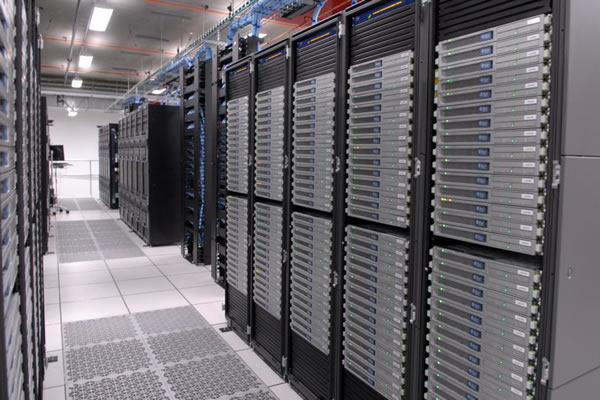
Introduction: When deploying an IDC in Hong Kong or choosing server hosting, the initial quote usually only covers basic leasing and bandwidth. This article, “Practical Guide: Hidden Costs and Contract Traps in Hong Kong IDC Facilities,” focuses on those often-overlooked hidden costs and contractual risks, helping IT decision-makers and procurement teams make more informed cost assessments and better preparations for negotiations.
Understanding the cost components of IDC facilities in Hong Kong
The costs of IDC facilities in Hong Kong include not only cabinet rental, bandwidth, and IP resources, but also various expenses such as electricity, cooling, network connectivity, and security. Understanding cost components helps to distinguish one-time investments from ongoing operating expenses, thereby enabling the assessment of TCO (Total Cost of Ownership) and long-term budget planning, avoiding being misled by seemingly low prices.
List of Common Hidden Costs and Methods for Identifying Them
Hidden costs are common in projects such as installation, migration, remote management, on-site engineers, cross-cabinet connections, and additional IP requests. Identification methods include reviewing quotation details, requesting standard fee schedules and historical bills, as well as clarifying which services are included in a fixed package and which are charged on an hourly basis, so that these items can be clearly specified in the contract with quantifiable terms.
Bandwidth and traffic overage, billing rules
Significant differences in bandwidth billing rules: Peak billing, 95/90th percentile peaks, pay-as-you-go, or fixed bandwidth cap. It is important to confirm the overage billing, billing cycle, and upstream aggregation overflow policy to avoid high bills during sudden traffic spikes. It is recommended to specify the billing model in the contract and set warnings and limits.
Electricity, redundancy, and equipment maintenance costs
Electricity cost sharing, PUE metrics, UPS and generator redundancy support, regular maintenance, and spare parts replacement can all incur additional costs. Evaluate whether the server room includes redundancy levels, failover procedures, and human response times as specified in the SLAs. Also, specify the responsibilities for maintenance and replacement in the contract to avoid delays that could lead to increased operational costs.
Common pitfalls in contract terms
Contract traps include automatic renewals, hidden early termination fees, vague service level definitions, high migration or decommissioning costs, and liability limitation clauses. Be sure to review the force majeure and liability cap clauses to ensure that SLA breach penalties, failure definitions, and relief mechanisms are clear, so as to avoid being at a disadvantage in case of disputes.
Negotiation Strategies and Key Points of Due Diligence
During negotiations, tiered pricing and traffic buffer periods should be sought based on usage estimates and business flexibility, along with written billing details and measurable SLAs. Due diligence includes on-site inspections, verification of certifications and compliance, checking network interconnection partners and bandwidth parity, as well as requesting historical availability and failure records for reference.
Summary and Recommendations
It is recommended to use “Practical Guide: Hidden Costs and Contract Traps in Hong Kong IDC Data Center Costs” as a checklist for procurement and contract negotiations: List all possible costs in detail, quantify key SLAs and include them in the contract, retain the right to audit and verify bills, and establish predefined change management processes. By identifying and contracting these risks in advance, the overall cost and operational uncertainties associated with deploying IDCs in Hong Kong can be significantly reduced.
- Latest articles
- Impact Assessment of Cai Xukun’s Hong Kong Event on Brand Exposure through Social Media Sharing
- Step-by-step guide for beginners to set up a dial-up VPS in Cambodia and troubleshooting common issues
- Content Distribution Acceleration: Best Practices and Caching Strategies for Direct Connections to Japanese CN2 Servers
- How to Choose the Right High-Bandwidth and Cost-Optimization Strategies for Corporate Use of Hong Kong-Based IPs
- Price Comparison of Alibaba Cloud’s Japanese Servers: Cost and Performance Differences Among Domestic and Overseas Cloud Providers
- The Celebrity Effect: An Analysis of the Insights from Cai Xukun’s Hong Kong Concert Discussions on Fan Marketing
- Developer’s Perspective on Vietnam’s Reliable Cloud Server APIs and Technical Support Experience
- How to compare configuration prices and service support differences when purchasing cloud servers in Thailand
- Detailed Guide to Buying Malaysian Cloud Servers: A Comprehensive Guide from Selection to Go-Live
- Popular tags
-

how to get more customers through hong kong station group marketing phone calls
this article explores how to get more customers through hong kong station group marketing calls and provides practical strategies and suggestions. -
the impact of the benefits of hong kong station group servers on seo friendliness and access speed
analyze how hong kong site cluster servers can improve seo friendliness and access speed, covering ip strategy, localization ranking, latency and bandwidth optimization, as well as deployment and management considerations and suggestions. -

legal compliance and latency factors to consider when choosing the location of cn2 computer room in hong kong
this article analyzes the legal compliance and delay factors that need to be considered when selecting the geographical location of cn2 computer rooms in hong kong, including key points such as regulatory environment, cross-border data transmission, privacy protection, physical distance and routing optimization, and provides practical suggestions for deployment decisions.